
Interviewing
Purpose
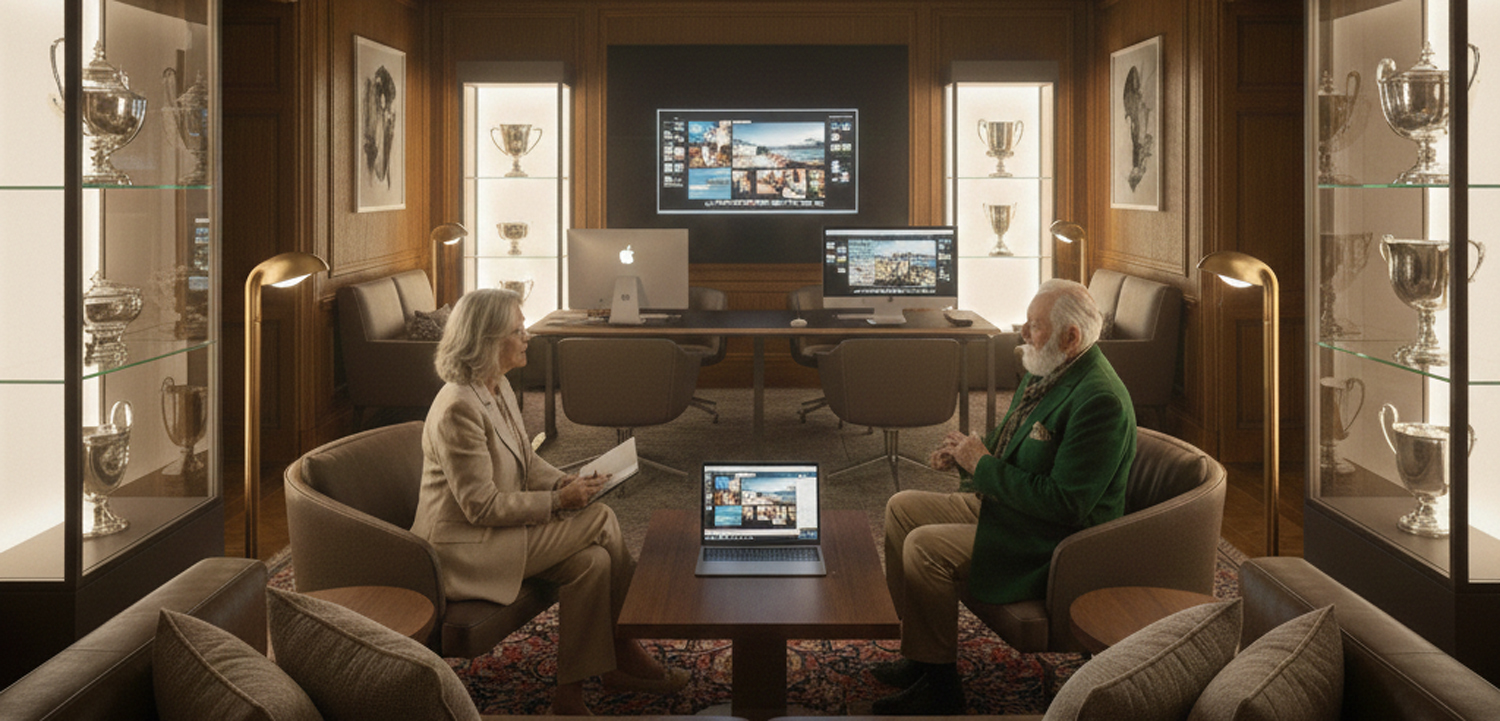
Before the interview, our project manager and writer carefully review all materials you’ve provided—photos, documents, notes, and any additional context—to ensure the story flows naturally between imagery and narrative. If any information is unclear or incomplete, we’ll contact you by phone, email, or WhatsApp to clarify. When we need deeper insights—such as personal reflections, the impact on your character and values, or responses to “what‑if” questions—we’ll arrange an additional interview to explore these details more fully. You’ll also receive an agenda in advance, highlighting key questions so you can prepare comfortably.
Our goal is to create a calm, focused, and meaningful conversation between you and the writer, even when time is limited.
Format
Interviews can take place either in person or online, depending on your location and the writer’s availability. If you’re outside Great Britain, or if travel isn’t possible, we’ll arrange a Zoom or online session at a time that works for everyone.
Duration
Whenever possible, we aim to record a session of around 2–3 hours, giving us enough time to explore your experiences in depth. To make the most of this, we encourage you to review the agenda beforehand and come ready to reflect and share openly
Follow up
After the main interview, the writer or project manager may contact you via phone, text, or WhatsApp to confirm small details—such as matching photos to captions or refining specific wording—so the process remains smooth and collaborative
Tips for a Meaningful Interview
1. Preparation
• Before the interview, we thoroughly review all collected materials and agree on a clear structure through phone or email conversations. We provide a content outline and guidance on how to approach each story.
• Take time to reflect on the people, moments—both joyful and challenging—and emotions that shaped your journey. Jot down any stories or turning points you’d like to include. Using our guide, you can record voice notes for each story. This often involves several rounds of communication.
2. Choose the Right Time and Place
For video or audio recordings, weekends or Sunday mornings often work best, offering a more relaxed atmosphere. A comfortable chair or cosy spot is especially helpful for longer sessions.
3. Let Memories Flow
There’s no need to speak in perfect order. The writer will help shape the timeline. If something slips your mind, that’s okay—follow-ups can fill in the gaps.
4. Speak in Your Own Voice
Your natural tone, expressions, and humour are part of your legacy and will be captured. The writer may preserve some of your phrasing to keep the story true to you.
5. Ask Questions Too
If you’re unsure about a question, feel free to ask why it’s being posed. A strong interview is a shared conversation, not a one-way exchange. We work together to clarify details and shape the narrative.
6. Pause When Needed
Revisiting the past can be emotional. It’s okay to take breaks or reschedule. Let us know if any topic feels too sensitive or off-limits.
7. Trust the Process
Our role is to help shape your story with care and respect—not to judge. Even the smallest memories can blossom into powerful moments on the page.


 Determination Innovation and Production Limited